
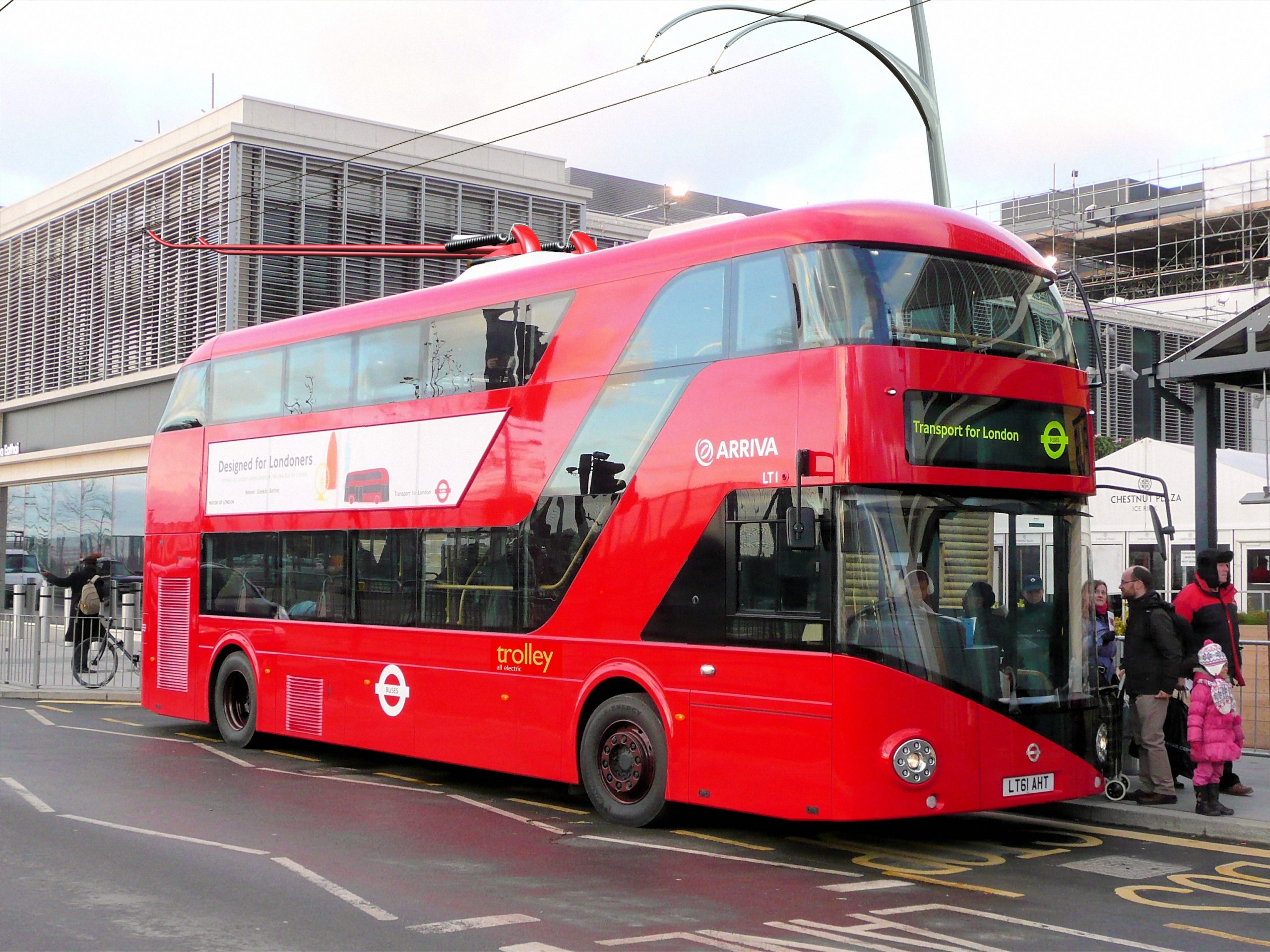
Clean the air you breathe by bus!


First Test of LibroDuct

conducted in Eberswalde


The benefit of a catenary is that it is 18ft above the road out of harm’s way. It does not require a complex system to operate effectively and it is in place for any number of suitably equipped vehicles to use 24/7 for propulsion and battery charging.

The Libro Duct system mirrors the Multibus™ system in that both ‘home in’ on a simple catenary for an opportunity to connect, or disconnect whilst continuing their vehicle’s journey. The video says it all . A picture really is worth a thousand words


Trolleybus automatically

reconnecting with overhead wires 


“When in Rome , do as the Romans do”. And why not? A different approach that has been in use for 15 or so years entails a modified catenary at specific points to allow the catenary to receive the roof mounted electricity connecting poles by way if an inverted ‘V’ profile catcher.

It works and it works well. The video explains it all so simply. From battery operation to mains electricity propulsion in a blink of an eye. The bonus is the trickle charge inherent in those overhead wires for the on board batteries to slowly charge in preparation for the next away excursion ‘off line’.


Trolleybus VS Battery Bus

Which One Is "The Future"?


The answer is both. As seen in Rome (or Bordeaux or Limoses and Zurich) the notion of In Motion Charging (IMC) is far from fantasy – it is fact. The systems in operation work well and achieve air purity, improved local health, passenger appreciation from silent operation along with operator satisfaction in their passengers comfort and acceptable overhead costs coupled with ease of maintenance compared to full diesel power alternatives in the city.

Hybrid Diesel can work in much the same way as illustrated with auto connect electric drive in Urbania and Euro VI fossil fuel or bio fuel operation in the suburbs or rural destinations.

See video Trolleybus VS Battery Bus - central and depot charging  at 14.42 (14 minutes 42 seconds) central charging  together with 14.53 depot charging)


First Test of LibroDuct

conducted in Eberswalde


The benefit of a catenary is that it is 18ft above the road out of harm’s way. It does not require a complex system to operate effectively and it is in place for any number of suitably equipped vehicles to use 24/7 for propulsion and battery charging.

The Libro Duct system mirrors the Multibus™ system in that both ‘home in’ on a simple catenary for an opportunity to connect, or disconnect whilst continuing their vehicle’s journey. The video says it all . A picture really is worth a thousand words


Trolleybus automatically

reconnecting with overhead wires after branch


“When in Rome , do as the Romans do”. And why not? A different approach that has been in use for 15 or so years entails a modified catenary at specific points to allow the catenary to receive the roof mounted electricity connecting poles by way if an inverted ‘V’ profile catcher.

It works and it works well. The video explains it all so simply. From battery operation to mains electricity propulsion in a blink of an eye. The bonus is the trickle charge inherent in those overhead wires for the on board batteries to slowly charge in preparation for the next away excursion ‘off line’.


Trolleybus VS Battery Bus

Which One Is The Future?


The answer is both. As seen in Rome (or Bordeaux or Limoses and Zurich) the notion of In Motion Charging (IMC) is far from fantasy – it is fact. The systems in operation work well and achieve air purity, improved local health, passenger appreciation from silent operation along with operator satisfaction in their passengers comfort and acceptable overhead costs coupled with ease of maintenance compared to full diesel power alternatives in the city.

Hybrid Diesel can work in much the same way as illustrated with auto connect electric drive in Urbania and Euro VI fossil fuel or bio fuel operation in the suburbs or rural destinations.

In motion charging’s catenary is there 24 hours a day 365 days a year uses less buses employs them for longer, no breaks, covers cost, cheaper fares and then Multibus versitility.

The story behind the inventions:

A video presentation to whet your appetite:

Please read the book that is receiving acclaim for insight in resolving the bus environmental hazards cost-efficiently:
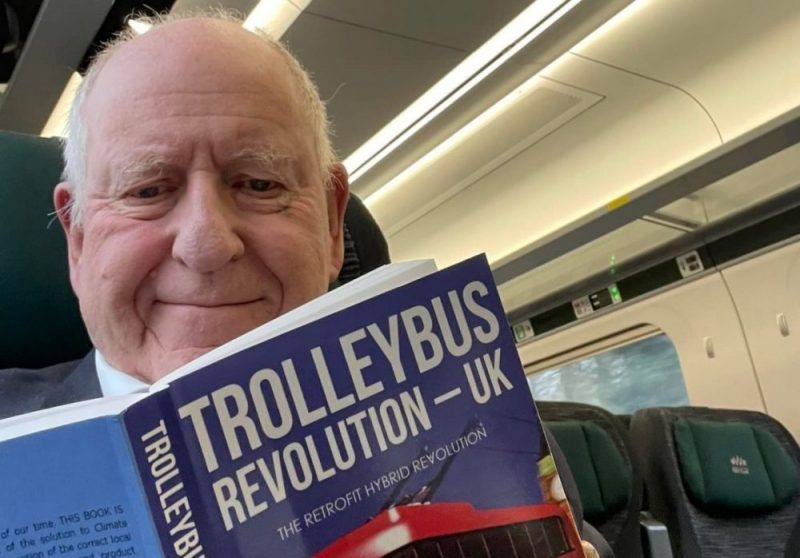
A tram and trolley enthusiast – Lee Clark – reads the book.

Trolleybus Revolution - UK is that engrossing.


Available from www.lifepublications.co.uk or order through your local book shop. If you have difficulty then contact the company and we will get a copy to you

at just £12.99 +£3.01 p&p.

Be informed.

ORDER NOW FOR THE WHOLE STORY AND THE RESEARCH.