
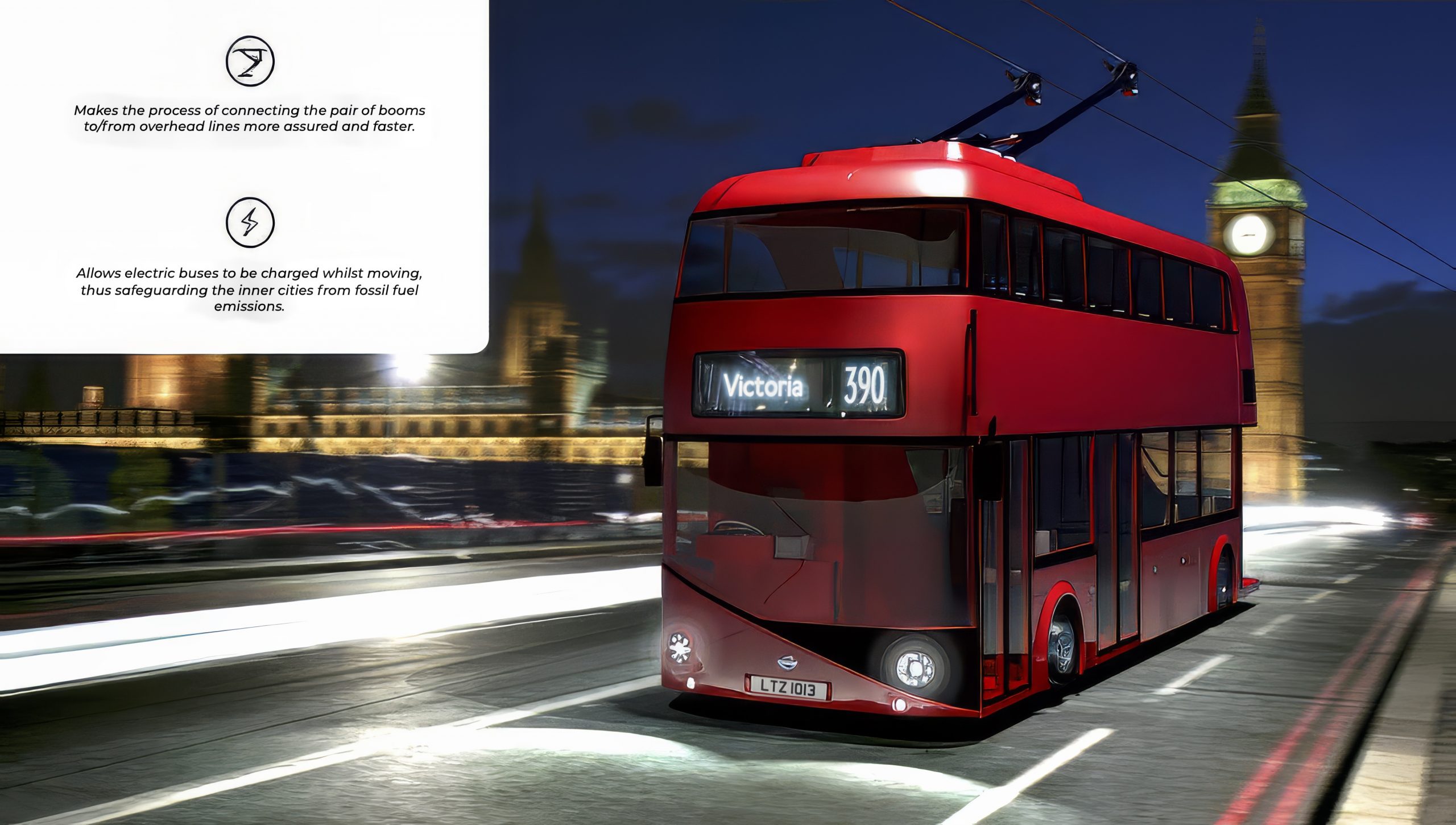
Multibus™

The conclusion that defines progress.


Analysis

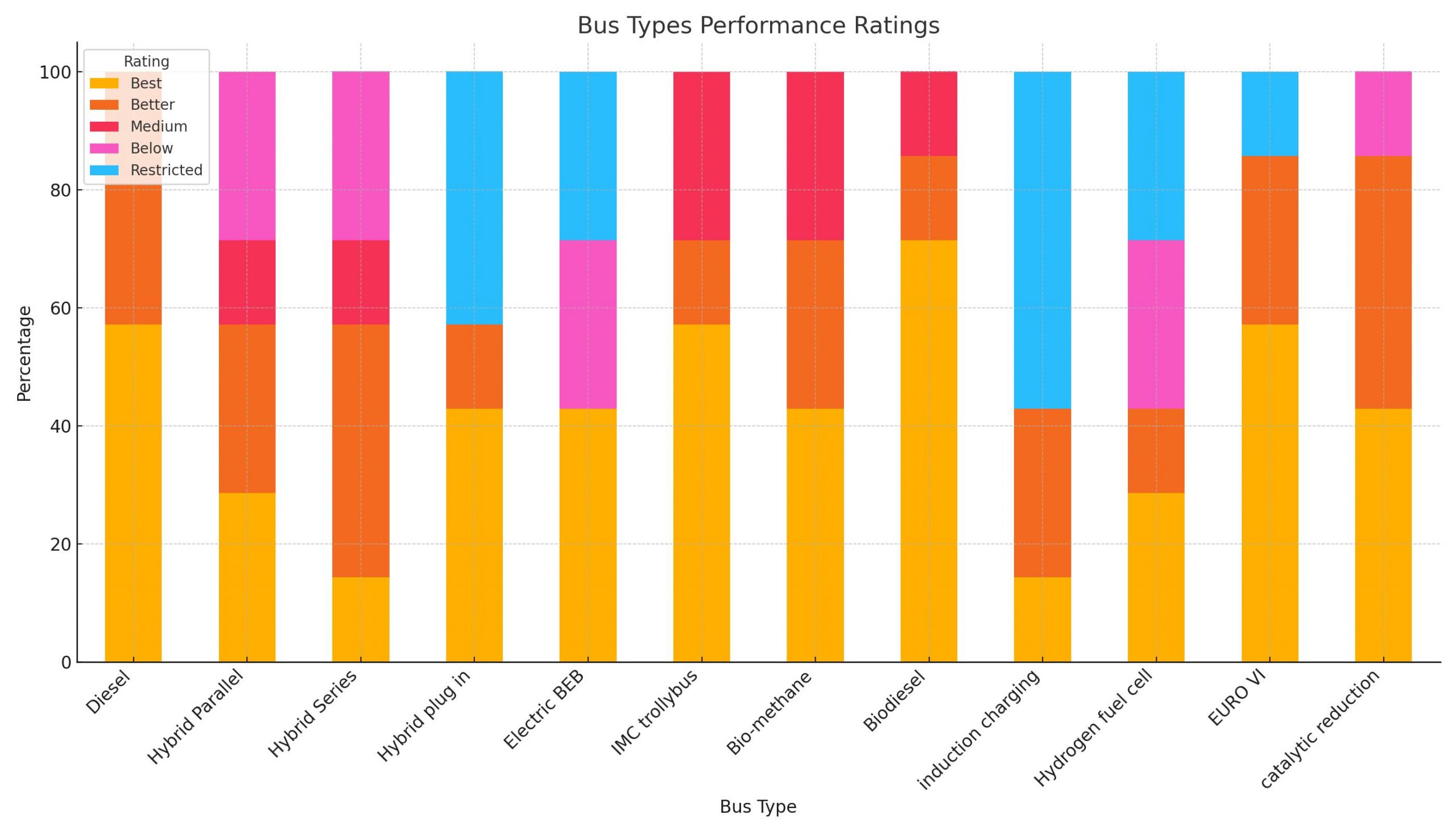
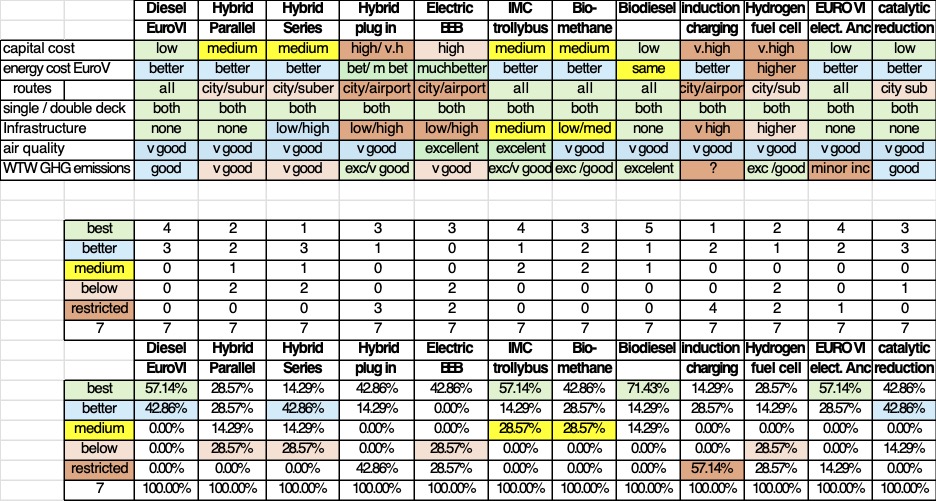
The whole emphasis of the analysis is designed to provide guidance in optimising three guiding principles irrespective of prejudice. The outcome is very clear in highlighting the two predominantly time cost benefit advantages of EuroVI diesel, IMC (trolleybus), and biodiesel as the most effective comparators to the diesel engined buses that dominated urban public carrying vehicles at the beginning of the century and in particular with reference to 2013 as an interim report and pivotal reference.

It has become apparent that certain peripheral elements have been overstated or emphasised in previous analyses resulting in biased appraisal. This inclusive work establishes material facts rather than perceptive disadvantages. Visual contamination being a major perceptive disadvantage.
The conclusion that defines progress.

The whole emphasis of the analysis is designed to provide guidance in optimising three guiding principles irrespective of prejudice.

Most Effective

The outcome is very clear in highlighting the two predominantly time cost-benefit advantages of EuroVI diesel, IMC (trolleybus), and biodiesel as the most effective comparators to the diesel-engined buses that dominated urban public carrying vehicles at the beginning of the century and in particular with reference to 2013 as an interim report and pivotal reference.

It has become apparent that certain peripheral elements have been overstated or emphasised in previous analyses resulting in biased appraisal. This inclusive work establishes material facts rather than perceptive disadvantages. Visual contamination being a major perceptive disadvantage.

Air Pollution

The time required to achieve significant structural advances in the delivery of a proposed structure cannot be understated. It is markedly less time-consuming to install several miles of catenary than it is to demolish existing property structures, create new infrastructure, divert traffic, and impede public movement.

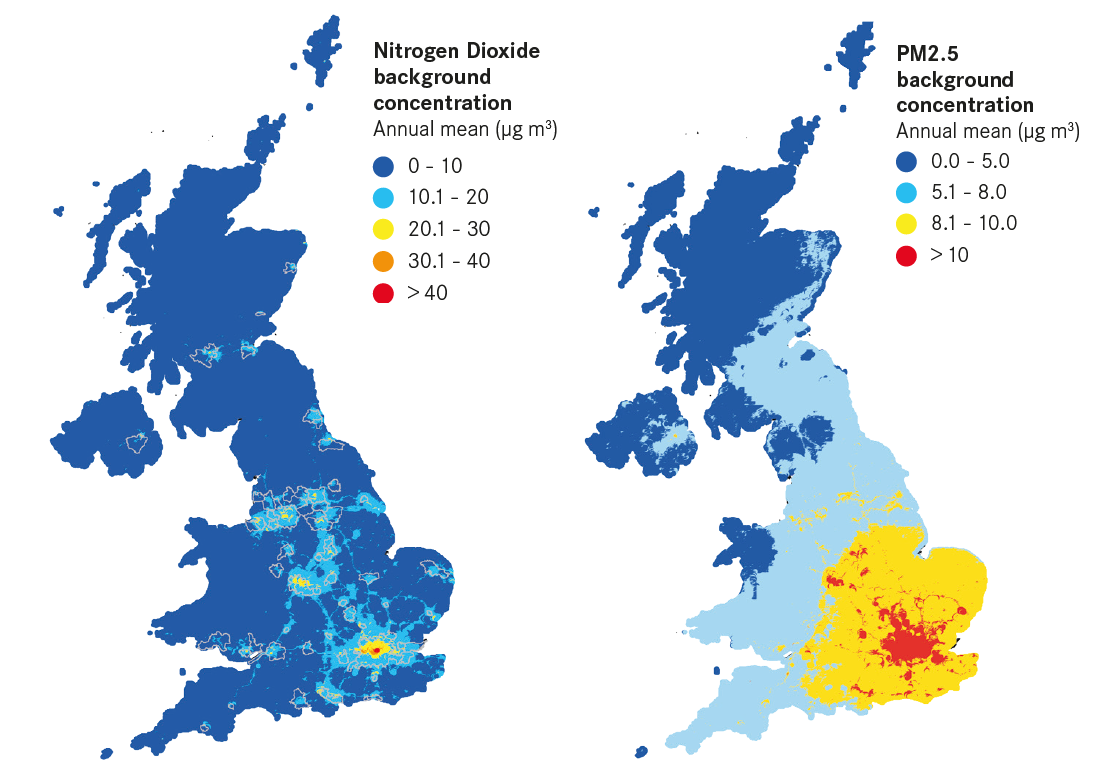
The complexity and duration of these activities underscore the logistical challenges involved, further emphasising the need for efficient planning and execution in urban development projects aimed at improving environmental conditions. This fact is central to any discussion concerning the urgency of air pollution control in urban areas, particularly in densely populated environments that encompass domestic, commercial, and recreational facilities.


Retrofitting

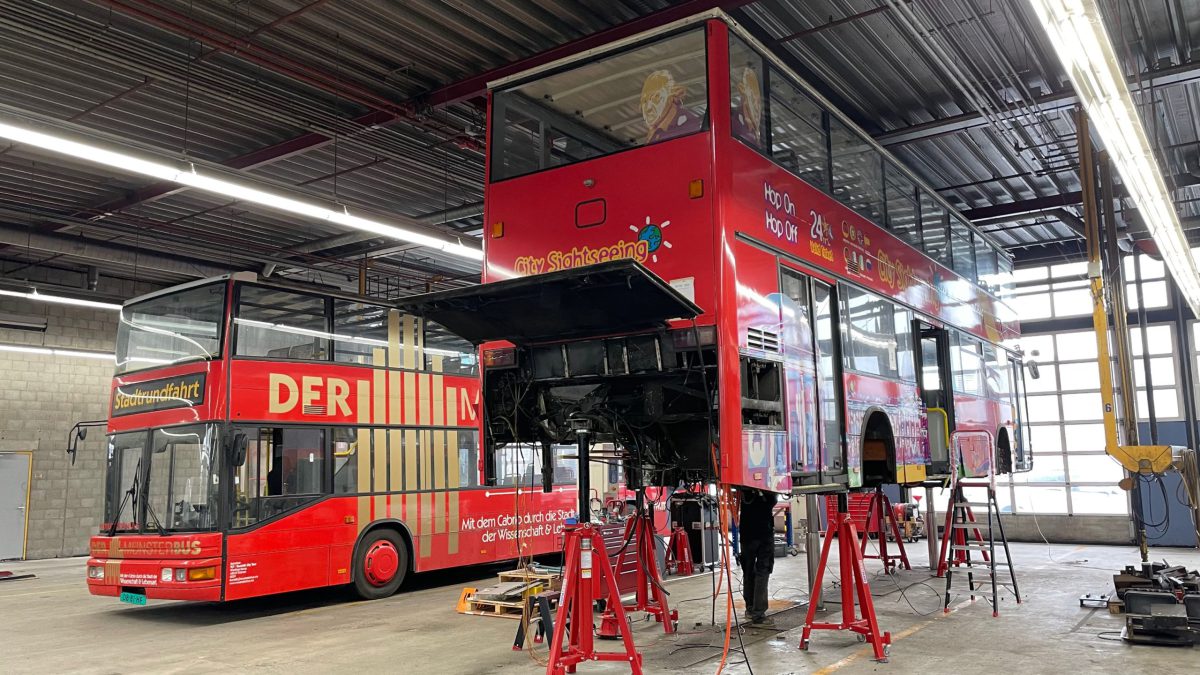
Cost is important. As illustrated, the cost of a diesel bus is significantly lower in the initial purchase and upgrade/maintenance terms for an expected life of 20 to 25 years per vehicle (UK /EU manufactured) including refurbishment than alternatives.

The two elements that combine with that technology and bring it to better value over time is the hybrid application of the diesel engine in its highest environmentally acceptable form combined with In Motion Charging to establish zero emission benefits in urban metropolitan areas coupled with delivering coherent and comprehensive travel facilities in one vehicle to suburban and rural areas. The Cambridge (UK) and O-Bahn (Australia) busways epitomise the retrofitting opportunity.


Data Comparison

In similar fashion the time centric comparison between the manufacture of new vehicles when compared to the retrofitting and restructuring, refurbishing of existing vehicles to bring their capability in line with modern science is unassailable.

The current emphasis on recycling, repurposing, as against wanton waste and deliberate destruction proclaims a distinctly contrary view to those that would eliminate diesel technology rather than accept the immense scientific and technological advantages of the advancements made over the last 25 years.

The conclusion that defines progress.

The whole emphasis of the analysis is designed to provide guidance in optimising three guiding principles irrespective of prejudice.

Most Effective

The outcome is very clear in highlighting the two predominantly time cost-benefit advantages of EuroVI diesel, IMC (trolleybus), and biodiesel as the most effective comparators to the diesel-engined buses that dominated urban public carrying vehicles at the beginning of the century and in particular with reference to 2013 as an interim report and pivotal reference.

It has become apparent that certain peripheral elements have been overstated or emphasised in previous analyses resulting in biased appraisal. This inclusive work establishes material facts rather than perceptive disadvantages. Visual contamination being a major perceptive disadvantage.

Air Pollution

The time required to achieve significant structural advances in the delivery of a proposed structure cannot be understated. It is markedly less time-consuming to install several miles of catenary than it is to demolish existing property structures, create new infrastructure, divert traffic, and impede public movement.

The complexity and duration of these activities underscore the logistical challenges involved, further emphasising the need for efficient planning and execution in urban development projects aimed at improving environmental conditions. This fact is central to any discussion concerning the urgency of air pollution control in urban areas, particularly in densely populated environments that encompass domestic, commercial, and recreational facilities.


Retrofitting

Cost is important. As illustrated, the cost of a diesel bus is significantly lower in the initial purchase and upgrade/maintenance terms for an expected life of 20 to 25 years per vehicle (UK /EU manufactured) including refurbishment than alternatives.

The two elements that combine with that technology and bring it to better value over time is the hybrid application of the diesel engine in its highest environmentally acceptable form combined with In Motion Charging to establish zero emission benefits in urban metropolitan areas coupled with delivering coherent and comprehensive travel facilities in one vehicle to suburban and rural areas. The Cambridge (UK) and O-Bahn (Australia) busways epitomise the retrofitting opportunity.


Data Comparison

In similar fashion the time centric comparison between the manufacture of new vehicles when compared to the retrofitting and restructuring, refurbishing of existing vehicles to bring their capability in line with modern science is unassailable.

The current emphasis on recycling, repurposing, as against wanton waste and deliberate destruction proclaims a distinctly contrary view to those that would eliminate diesel technology rather than accept the immense scientific and technological advantages of the advancements made over the last 25 years.

Where appropriate and as many times as acceptable , certainly here, refer/ advise  to the viewer to read the report? A time cost Study of public transport 1926 – 2024 research paper) available from info@multibus.co.uk on request.
  • Clean the air you breathe by bus!