
Clean the air you breathe by bus!
Traditional Charging
6 to 8 hours charging to keep them on the road
You would need an extra bus for every six just for the facility to maintain the services.
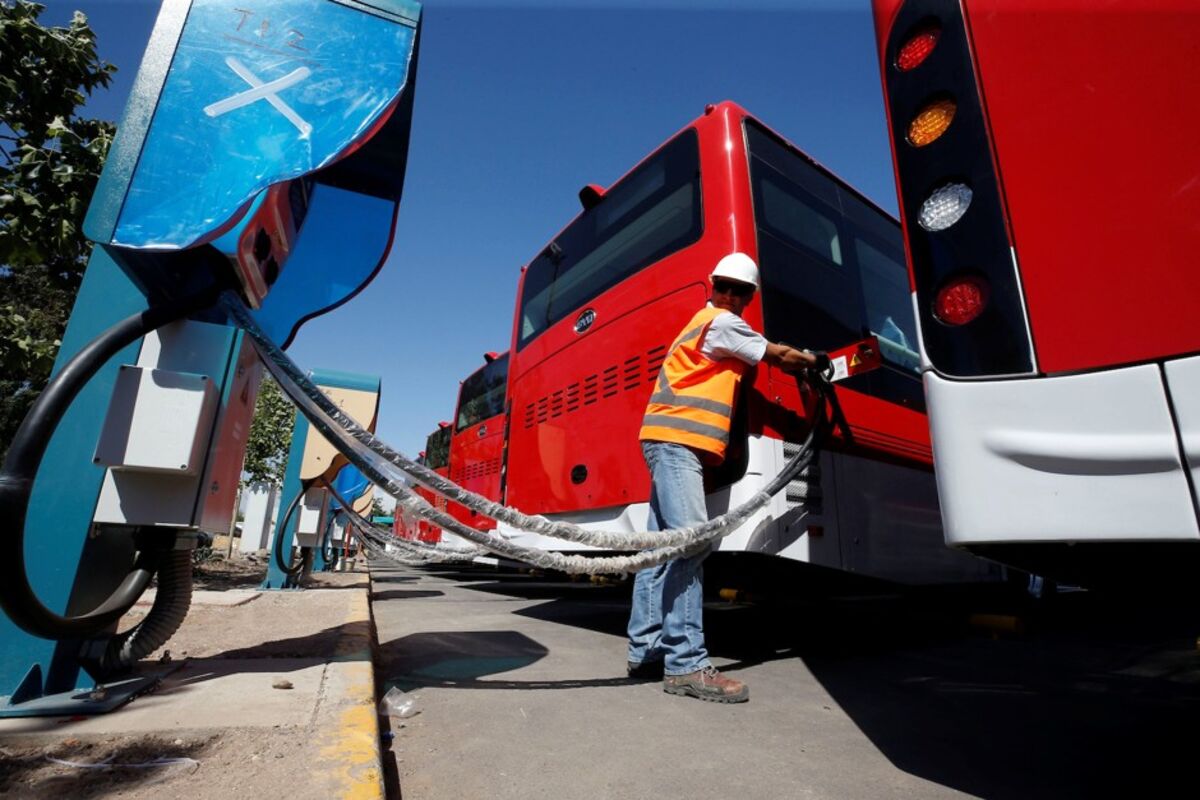
Tradition charging for an electric bus refers to the established methods of replenishing the vehicle's battery using conventional charging infrastructure. Typically, electric buses are charged using plug-in chargers at depots or designated charging stations.
These stations often employ standardised connectors and charge the buses overnight or during off-peak hours to ensure they are fully powered for their routes. This approach relies on a steady supply of electricity from the grid, often supplemented by renewable energy sources to enhance sustainability.
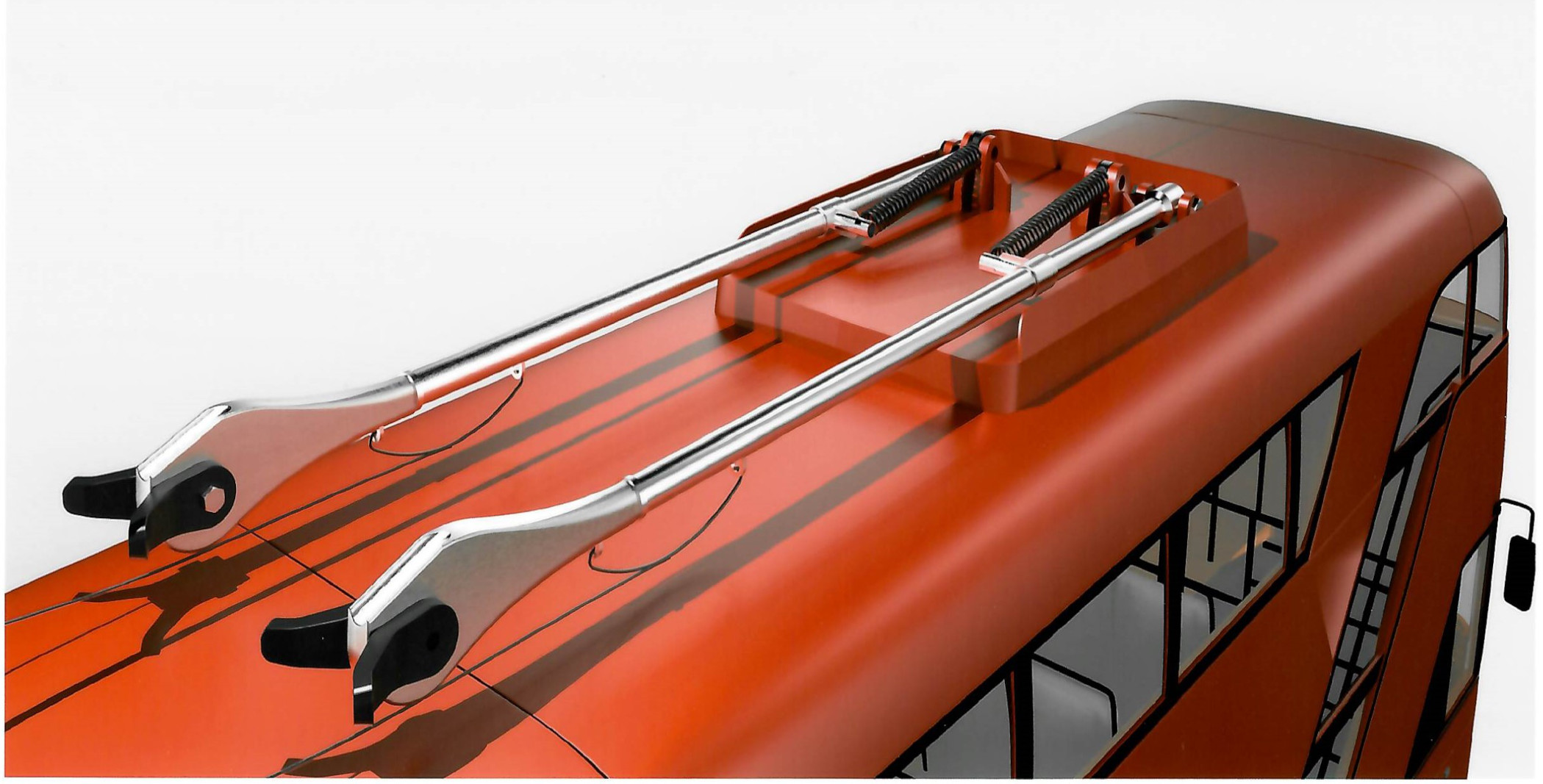
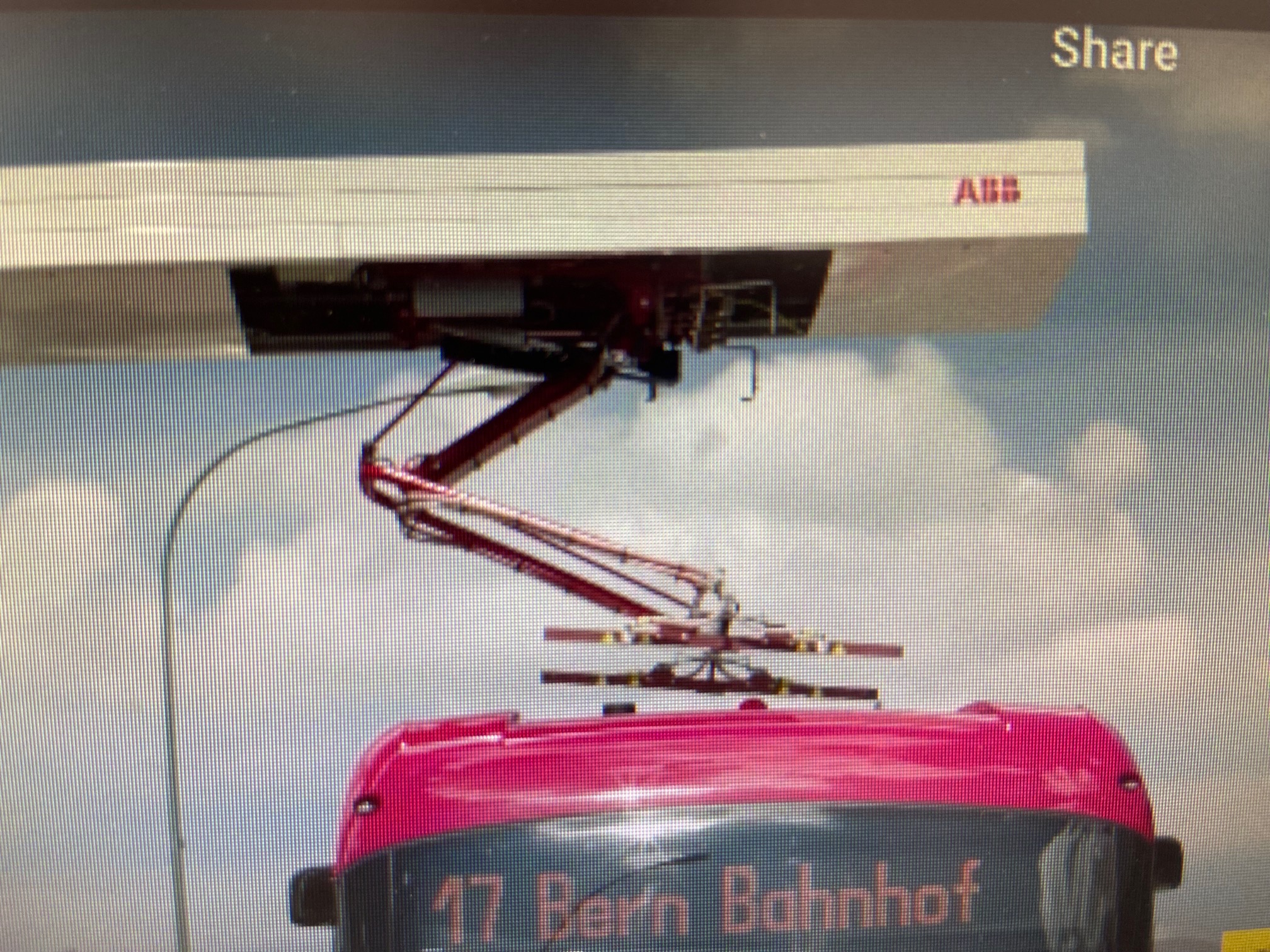
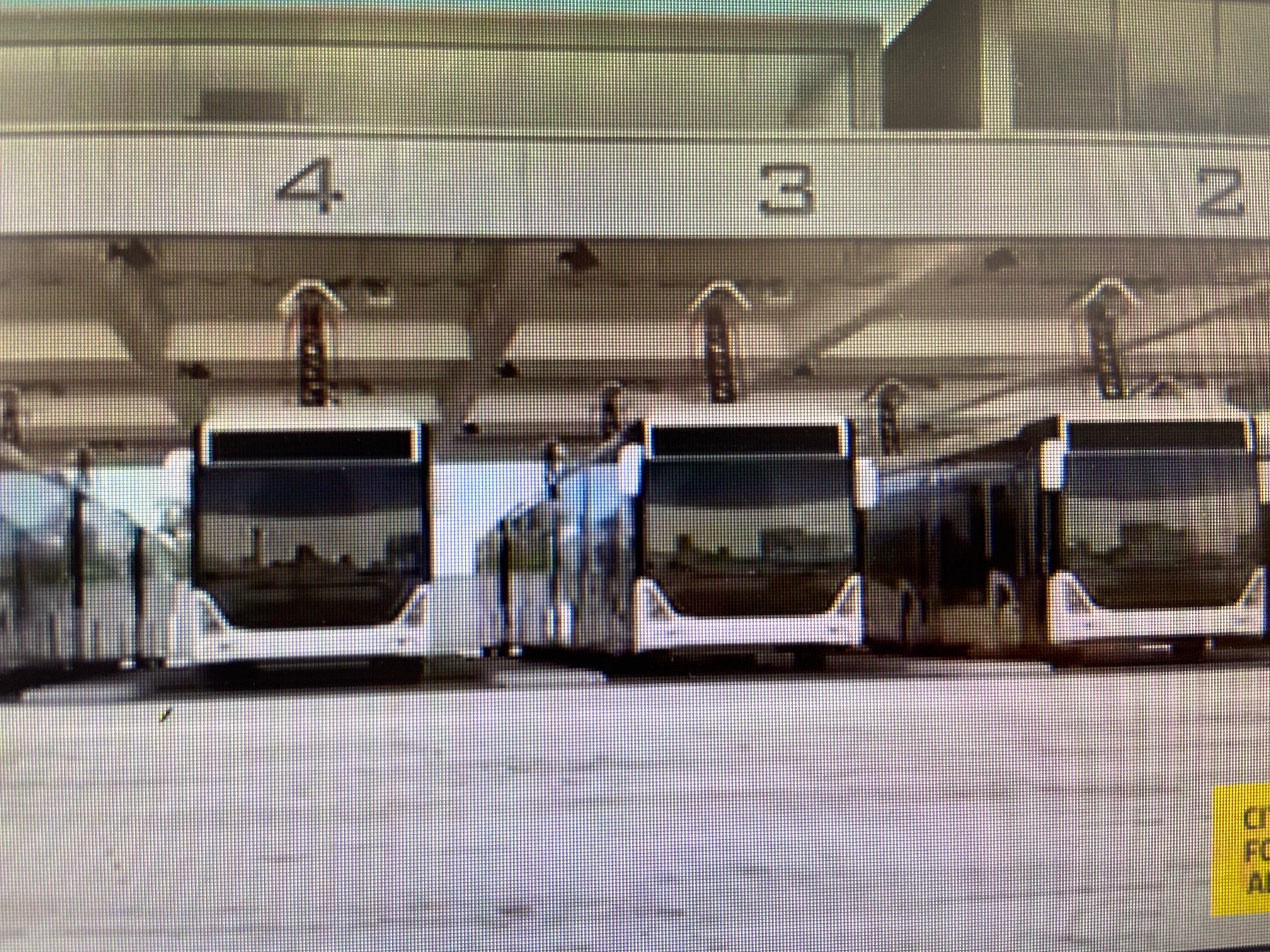
In addition to plug-in chargers, another traditional charging method for electric buses is the use of overhead or pantograph systems. These involve charging points located at bus depots or strategic points along the route, where the bus connects to overhead wires or pantographs to recharge its batteries.
This system allows for quicker charging sessions, enabling buses to recharge during layovers or at the end of their routes, ensuring minimal downtime and maximising operational efficiency. These traditional methods have paved the way for more innovative solutions in electric bus charging technology.
Route Charging
Charge every 2 1/2 miles for a 3 to 6 minute break
But it could take forever to get to where you’re going and cost a fortune to install.
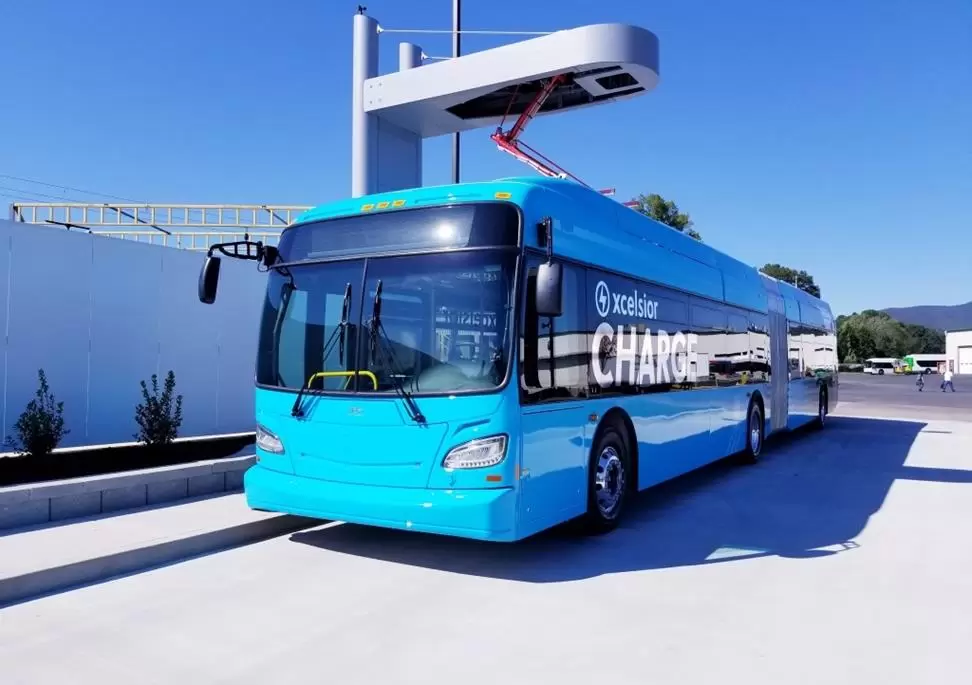
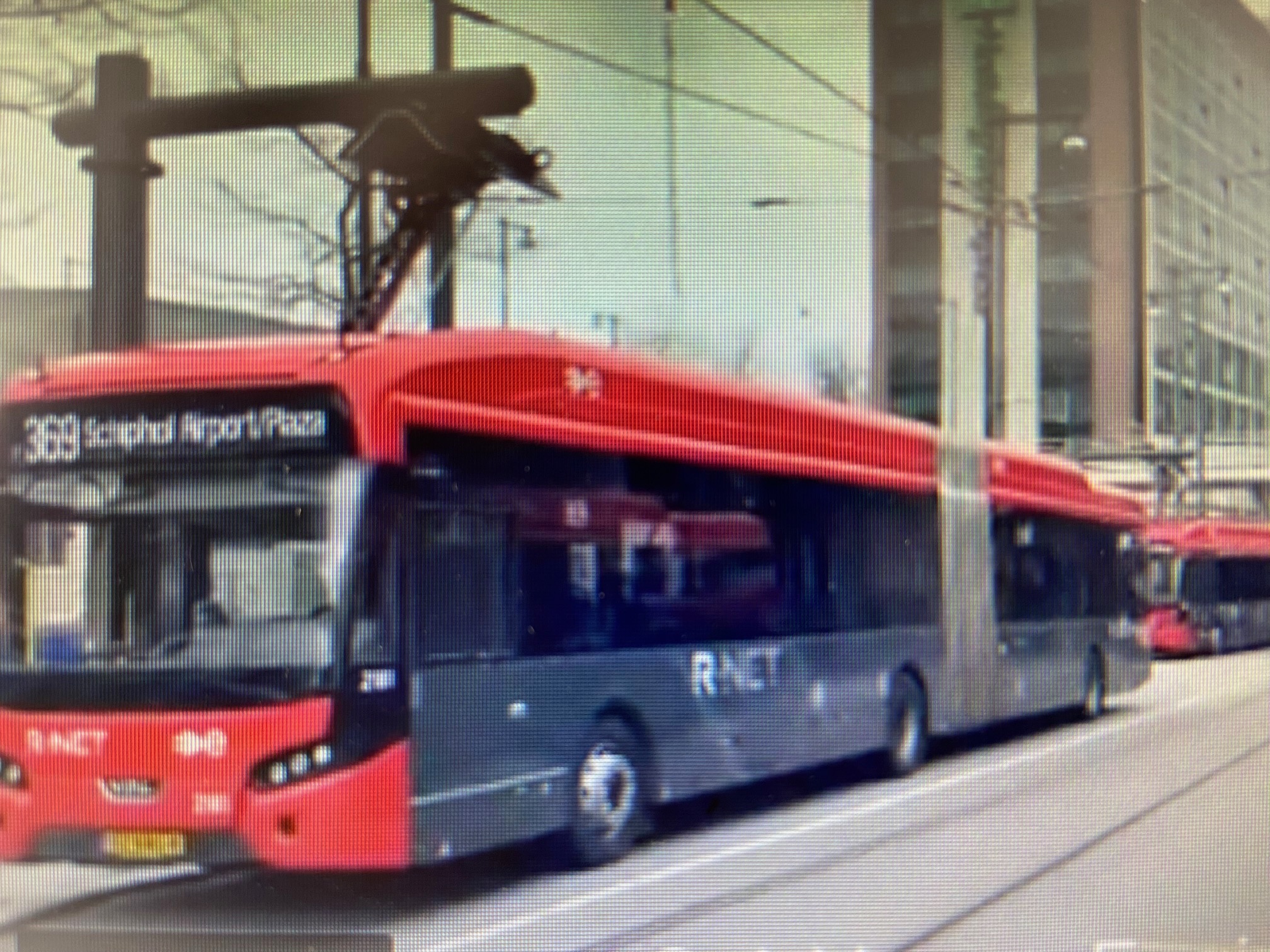
Route charging involves recharging the bus batteries at specific points along its service route. This method uses strategically placed charging stations or infrastructure, such as inductive charging pads embedded in the road or overhead pantographs, which allow buses to recharge during brief stops or at termini.
This system ensures that buses can maintain a steady level of charge throughout their route, reducing the need for long charging periods and enabling continuous operation without significant downtime.
On-route charging infrastructure often includes fast-charging technology, allowing buses to quickly replenish their batteries during scheduled stops, such as at bus stops or layovers. This approach enhances the efficiency of electric bus fleets by integrating charging into the daily operational schedule, minimising disruptions.
It also supports the use of smaller batteries, reducing vehicle weight and increasing overall efficiency.
Traditional Charging
6 to 8 hours charging to keep them on the road
You would need an extra bus for every six just for the facility to maintain the services.
Tradition charging for an electric bus refers to the established methods of replenishing the vehicle's battery using conventional charging infrastructure. Typically, electric buses are charged using plug-in chargers at depots or designated charging stations.
These stations often employ standardised connectors and charge the buses overnight or during off-peak hours to ensure they are fully powered for their routes. This approach relies on a steady supply of electricity from the grid, often supplemented by renewable energy sources to enhance sustainability.
In addition to plug-in chargers, another traditional charging method for electric buses is the use of overhead or pantograph systems. These involve charging points located at bus depots or strategic points along the route, where the bus connects to overhead wires or pantographs to recharge its batteries.
This system allows for quicker charging sessions, enabling buses to recharge during layovers or at the end of their routes, ensuring minimal downtime and maximising operational efficiency. These traditional methods have paved the way for more innovative solutions in electric bus charging technology.
Route Charging
Charge every 2 1/2 miles for a 3 to 6 minute break
But it could take forever to get to where you’re going and cost a fortune to install.
Route charging involves recharging the bus batteries at specific points along its service route. This method uses strategically placed charging stations or infrastructure, such as inductive charging pads embedded in the road or overhead pantographs, which allow buses to recharge during brief stops or at termini.
This system ensures that buses can maintain a steady level of charge throughout their route, reducing the need for long charging periods and enabling continuous operation without significant downtime.
On-route charging infrastructure often includes fast-charging technology, allowing buses to quickly replenish their batteries during scheduled stops, such as at bus stops or layovers. This approach enhances the efficiency of electric bus fleets by integrating charging into the daily operational schedule, minimising disruptions.
It also supports the use of smaller batteries, reducing vehicle weight and increasing overall efficiency.
In motion charging’s catenary is there 24 hours a day 365 days a year uses less buses employs them for longer, no breaks, covers cost, cheaper fares and then Multibus™ versatility.
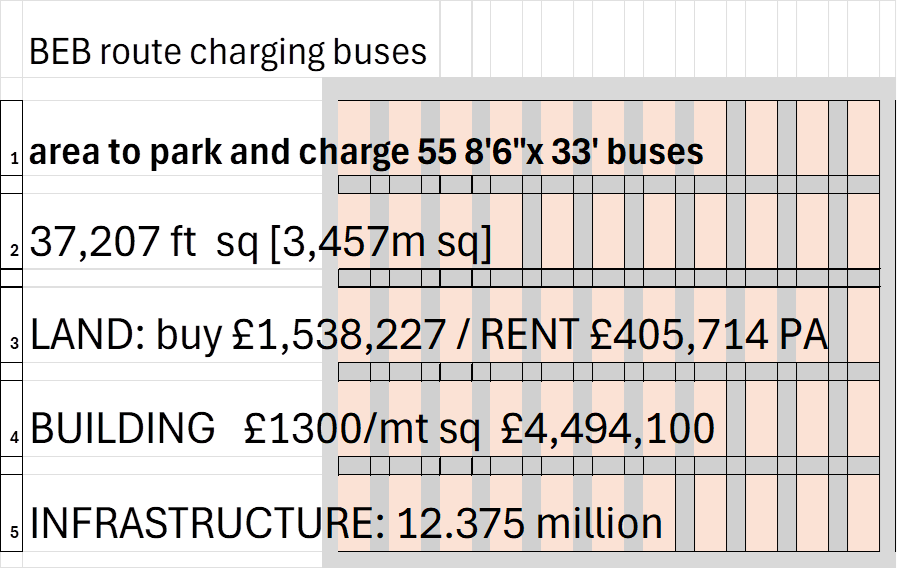
The floor space required for A and B plus the fact that more buses are actually needed to provide the route services is considerably more than that required for C In Motion Charging vehicles.
To accommodate a BEB fleet not only requires a huge volume of electricity to charge the on-board batteries simultaneously. It requires space for floor mounted charging points for each vehicle to ensure 100% battery charge for the following day / period of service requirement.
The floor space required for a 50-vehicle fleet would be 146% of the space required for an IMC fleet. Insufficient Grid capacity coupled with space required often demands a new depot and the costs that requires.
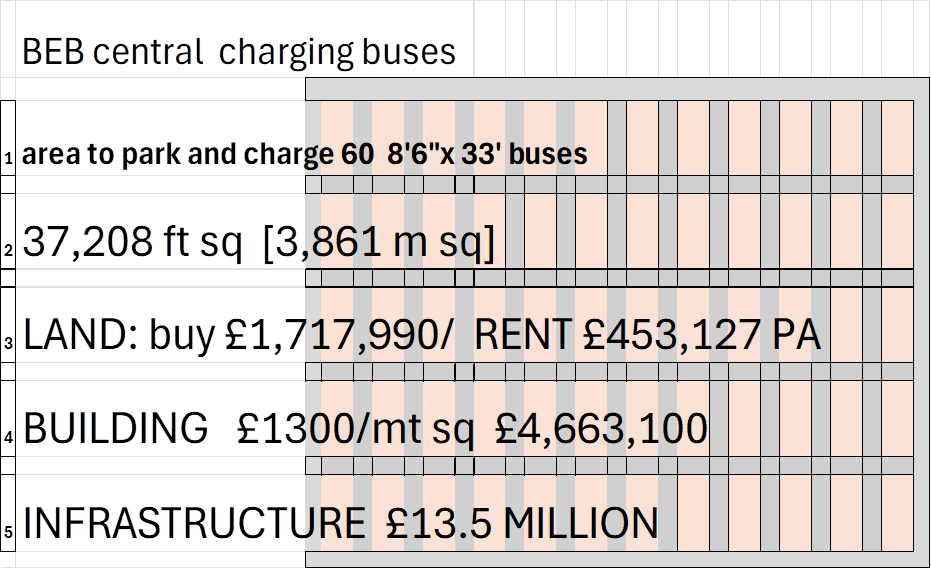
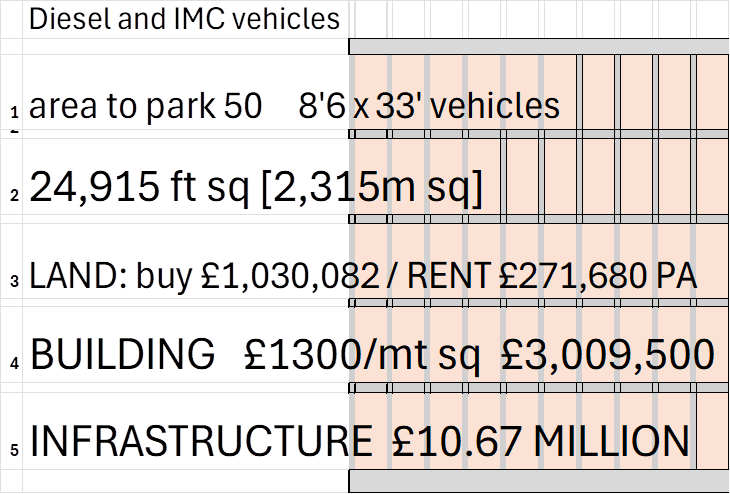
The overhead catenary that is required for IMC is replicated in the roof area at bus depots with intervals plus a small gap across the width of the maintenance depot accommodating say 50 vehicles.
The accommodation required is the same as would be for a diesel bus fleet as the electrical supply, catenary, is above the vehicles which can stay connected through the connecting poles.
The floor space required for A and B plus the fact that more buses are actually needed to provide the route services is considerably more than that required for C In Motion Charging vehicles.
To accommodate a BEB fleet not only requires a huge volume of electricity to charge the on-board batteries simultaneously. It requires space for floor mounted charging points for each vehicle to ensure 100% battery charge for the following day / period of service requirement.
The floor space required for a 50-vehicle fleet would be 146% of the space required for an IMC fleet. Insufficient Grid capacity coupled with space required often demands a new depot and the costs that requires.
The overhead catenary that is required for IMC is replicated in the roof area at bus depots with intervals plus a small gap across the width of the maintenance depot accommodating say 50 vehicles.
The accommodation required is the same as would be for a diesel bus fleet as the electrical supply, catenary, is above the vehicles which can stay connected through the connecting poles.

Clean the air you breathe by bus!