
The Mechanism
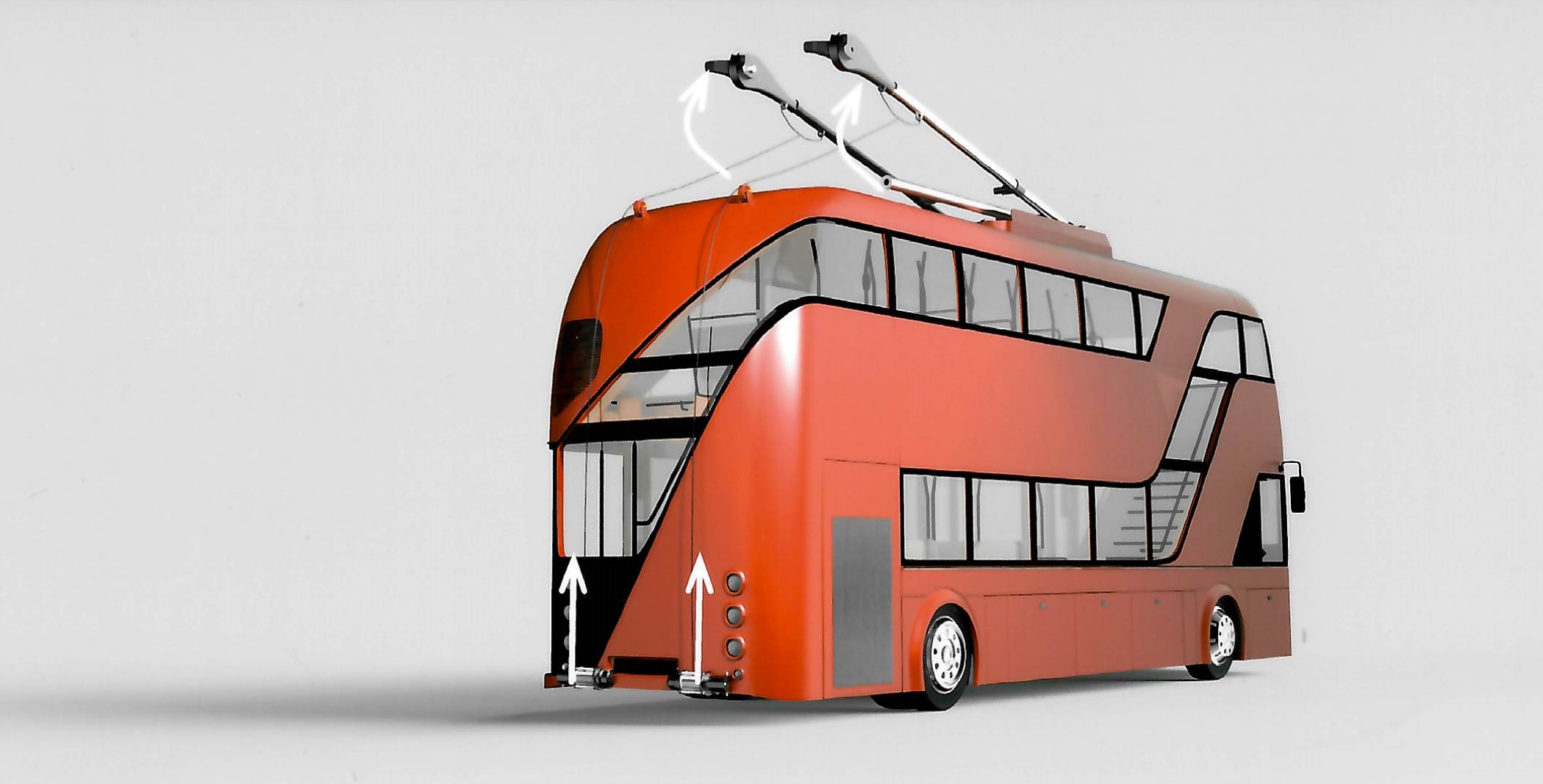
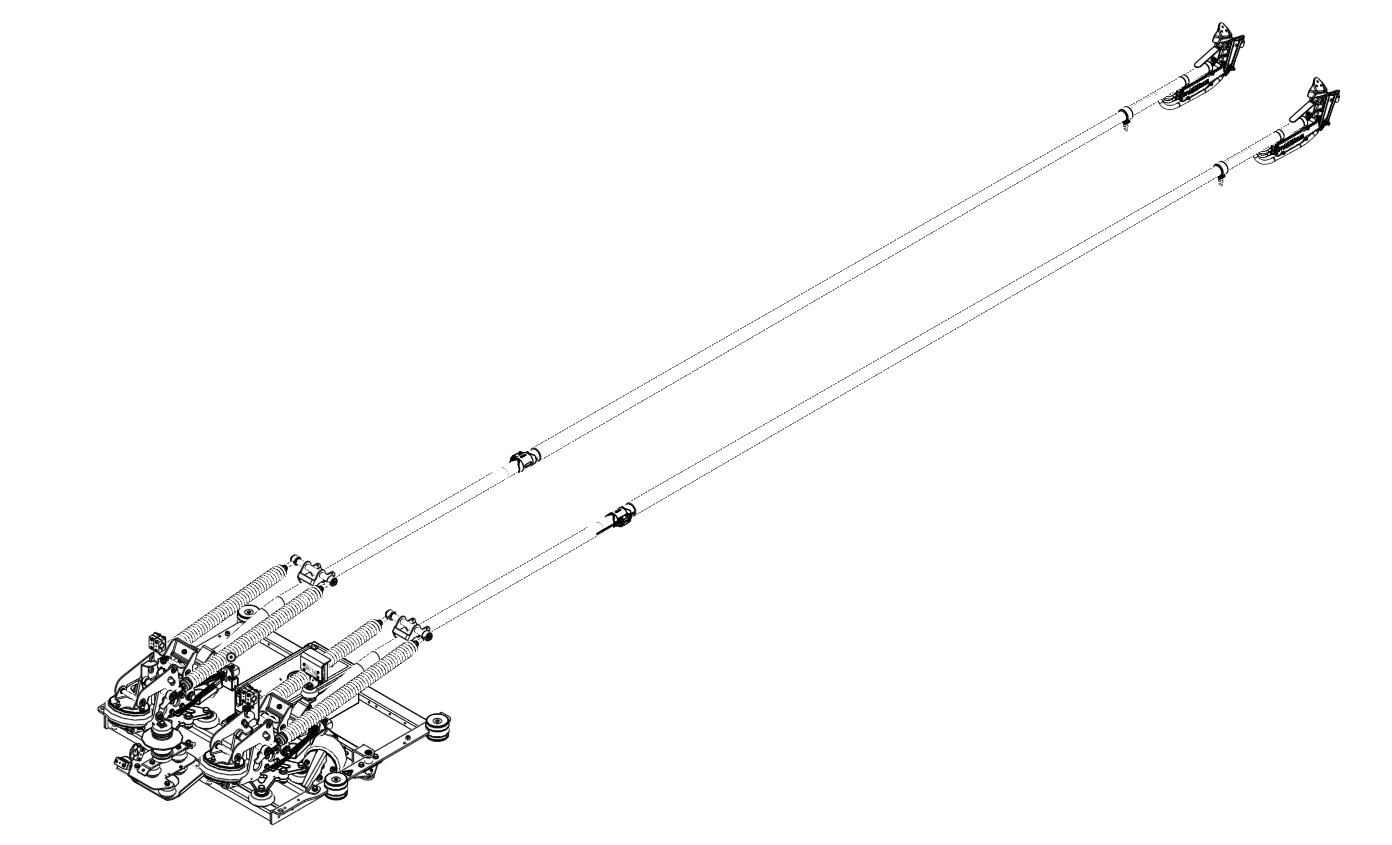
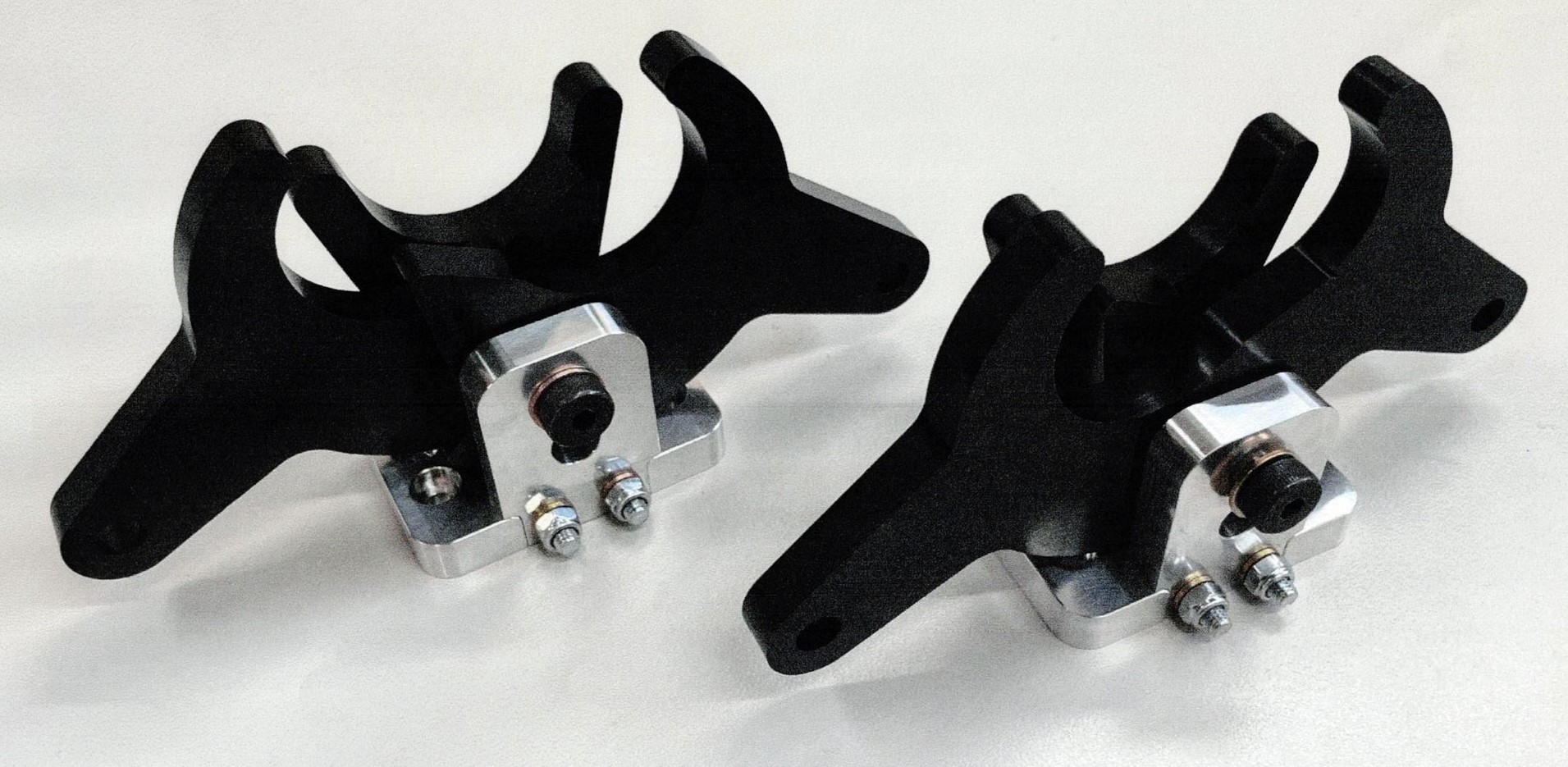
The mechanism enabling the transformation of the bus and coach fleets is the installation of a ready-made universally applied retrofit platform. The platform would incorporate the well-established and universally acclaimed mechanism for coupling the vehicle to the overhead catenary.
The twin poles would be released from the Multibus™ stowage mechanism on the rear stowage plinth by the driver from their cab. In conventional fashion the twin springs on each pole on the forward plinth will propel the connecting poles upward with the Multibus™ winged connector (or alternative) deployed to establish a smooth connection.
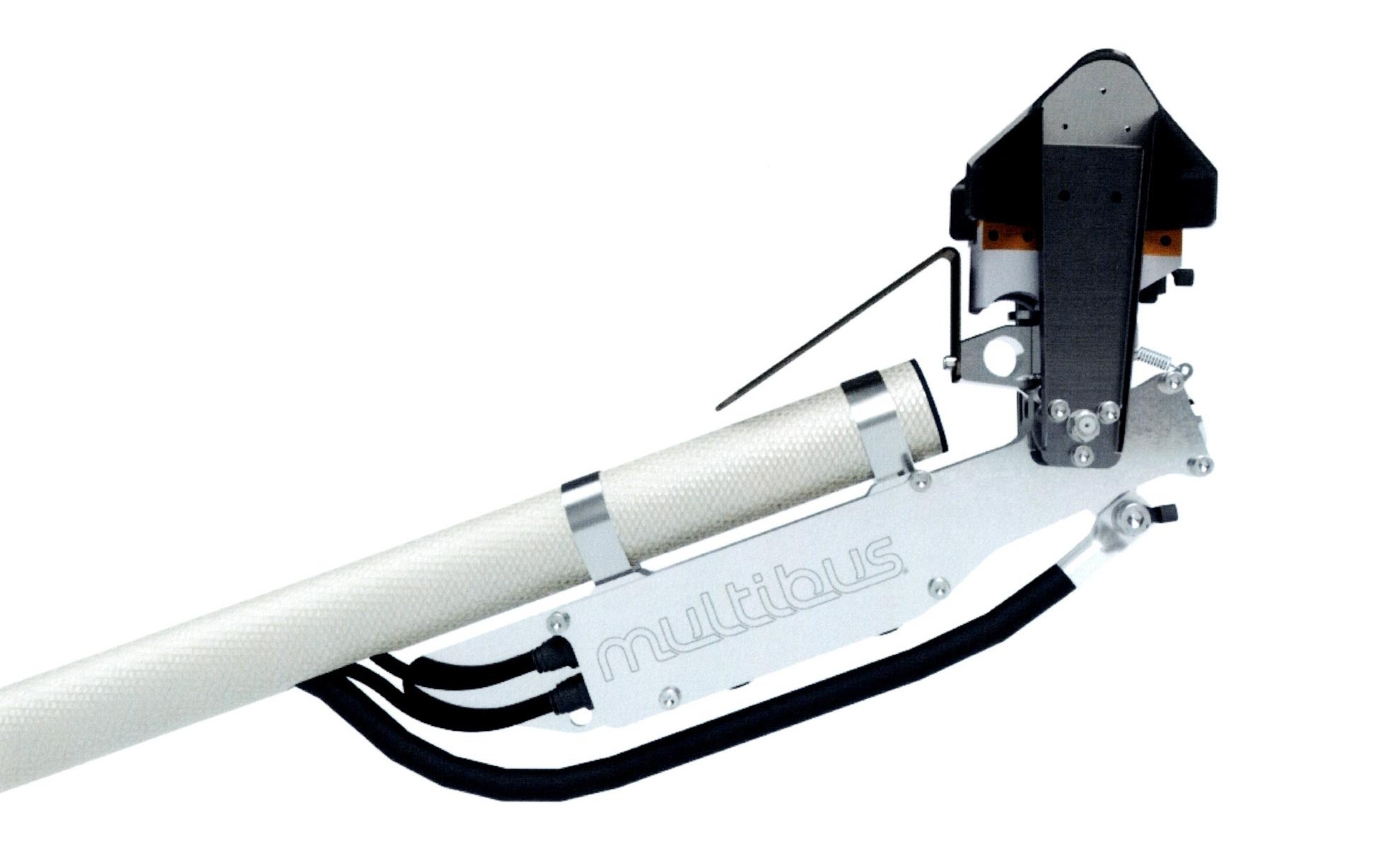
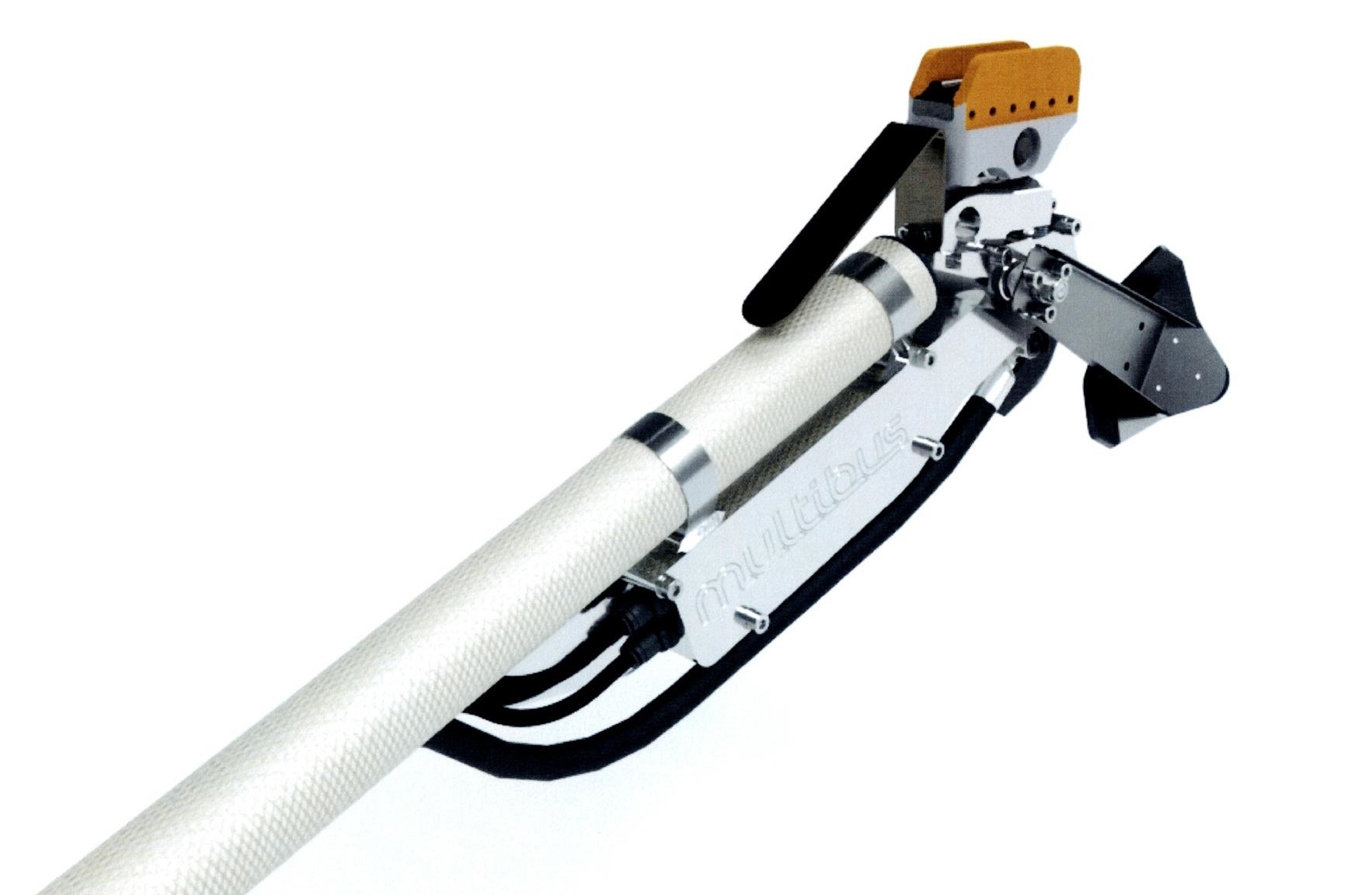
Once electrical current flows through both connected heads the winged connector swivels, wrist like, beneath the catenary revealing a standard connecting device and interruption free travel along the catenary. A super capacitor facility ensures that any temporary loss of connection does not result in any inadvertent redeployment of the of the guide wings.
Once ‘disconnect’ is selected by the driver the Multibus™ head actuator brings both heads into connect mode whilst the storage winches lower the connecting poles and bring them firmly into the Multibus™ auto-stowage units which close over the poles until the ‘deploy’ control is once again selected.
A Multibus™ catenary centring sensory unit situated on the rear plinth ensures the optimum positioning for driver selection for catenary connection.
The bus then continues on battery or Fossil fuel power.
Multibus™ facilitates the extension of life, at a modest cost, enabling clean air from retrofitted older in service hybrid vehicles through retrofitting and refurbishment of in service mature vehicles. Multiple environmentally acceptable buses for the cost of one NEW electric bus. It makes sense.
This is how it works. Electric in urban city streets and , in the same bus, Euro V or VI (cleaner air exhaust than taken in) in suburban / rural destinations and passenger pick-up points. Perfection at a modest cost compared to the alternatives. (read the report? A time cost Study of public transport 1926 – 2024)
This is how it works. Electric in urban city streets and, in the same bus, Euro V or VI (cleaner air exhaust than taken in) in suburban/rural destinations and passenger pick-up points. Perfection at a modest cost compared to the alternatives. (read the report? A time cost Study of public transport 1926 – 2024 research paper) available from info@multibus.co.uk

Clean the air you breathe by bus!